

Liquid-cooled resistors High-power Resistors
Liquid-cooled high-power resistors are a specialized type of high-power resistors that incorporate a liquid cooling mechanism to manage the heat generated during operation.
1. Design and Construction
2. Working Principle
When electrical power is applied to the resistive element of a liquid-cooled high-power resistor, the electrical energy is converted into heat energy according to the principle of Joule heating (where heat generated is proportional to the square of the current passing through the resistor and its resistance value). As the resistive element heats up, the coolant flowing through the internal channels absorbs this heat. The heated coolant then carries the heat away from the resistor and is usually circulated to an external heat exchanger where it releases the heat to the surrounding environment, allowing it to cool down before being recirculated back to the resistor. This continuous cycle of heat absorption and dissipation enables the resistor to operate at high power levels without overheating and maintains its electrical performance.
3. Advantages
4. Applications
5. Considerations


-
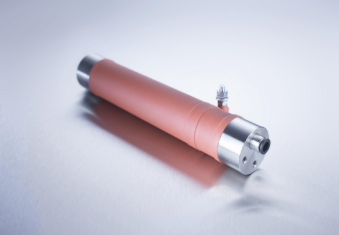 Liquid-cooled resistors High-power Resistors
-
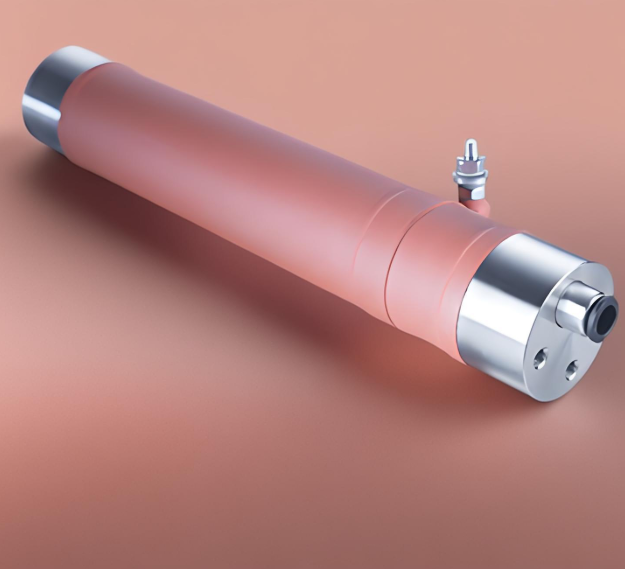 High-Power Water-Cooled Resistors High-Power Water-Cooled Single Resistors and Voltage Dividers up to 1700W
-
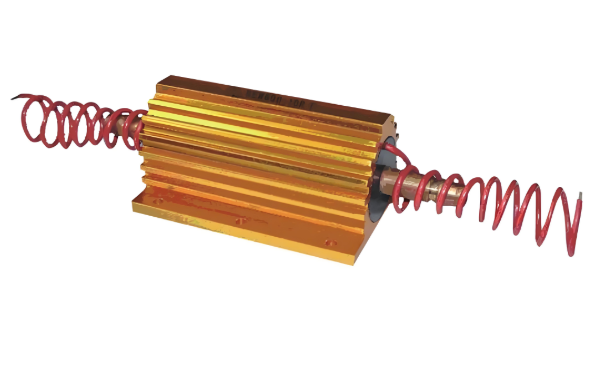 REW600 water cooled power resistors wirewound, aluminum
-
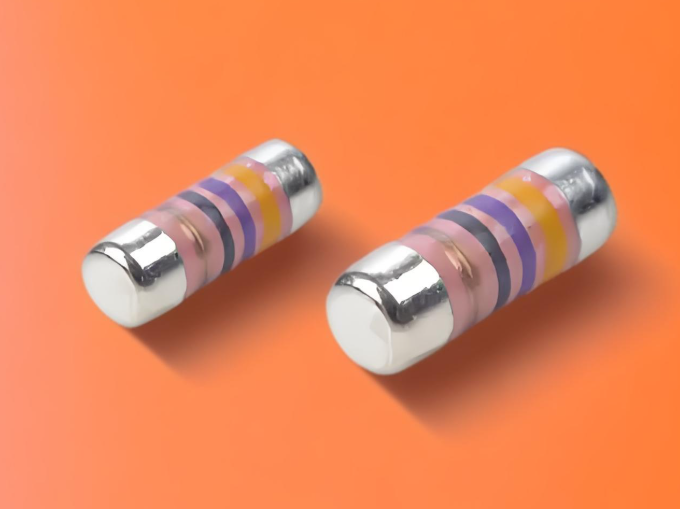 Stable power MELF resistors featuring small tolerance, low temperature coefficient, and high power SMD resistors
-
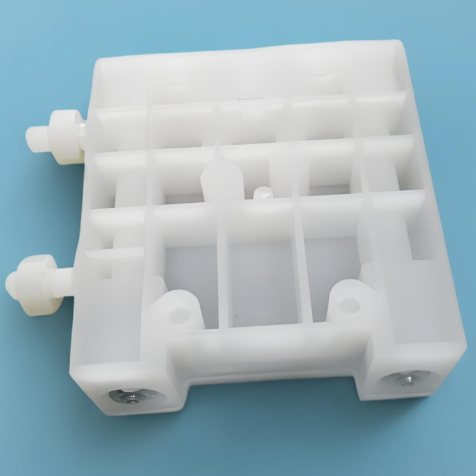 6000W planar water - cooled high - power resistor.
-
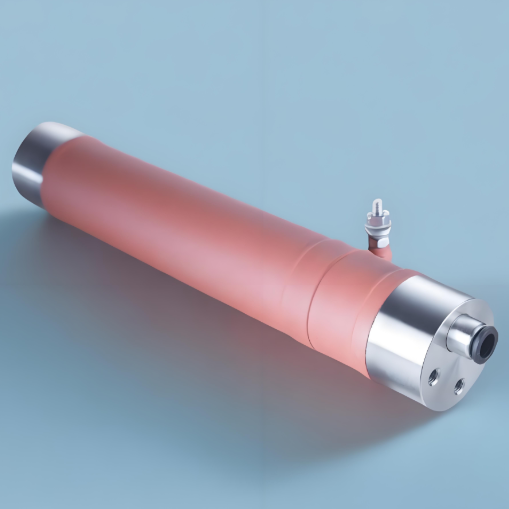 1700W cylindrical water - cooled high - power resistor.
-
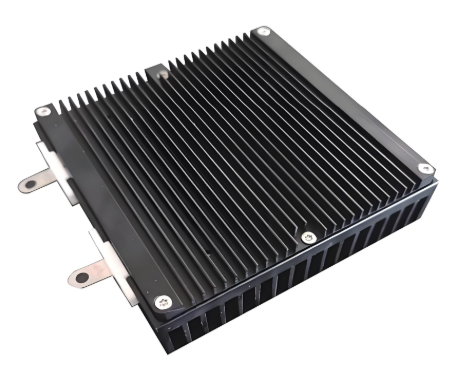 RGFL Power type air cooled module resistor
-
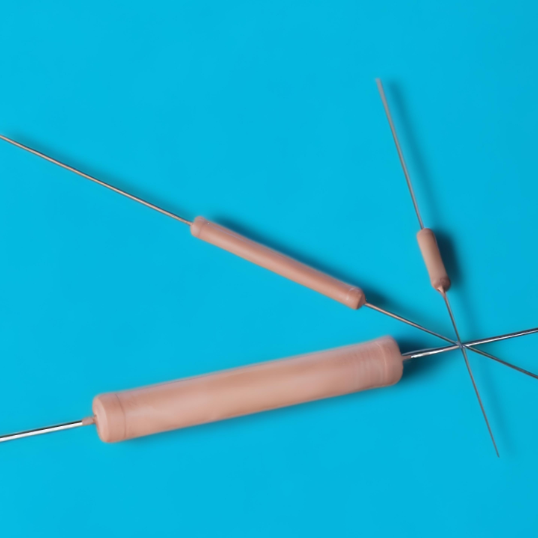 Power and High-Voltage Resistors with high maximum temperature operation, TC of ±50ppm/°C
-
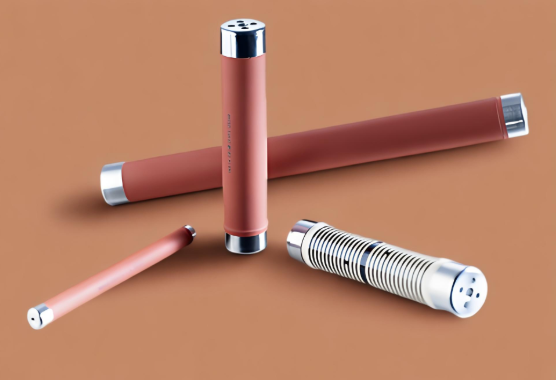 Precision High-Voltage / High Power Resistors Up to 96kV and 105W
-
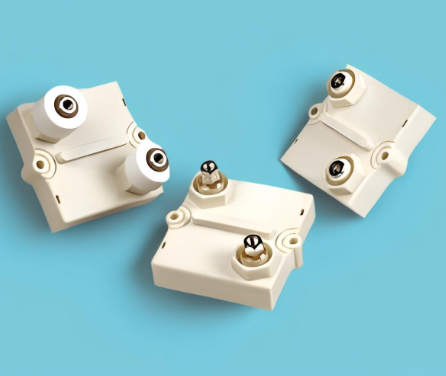 Ultra-High-Power-Resistors up to 3000W
-
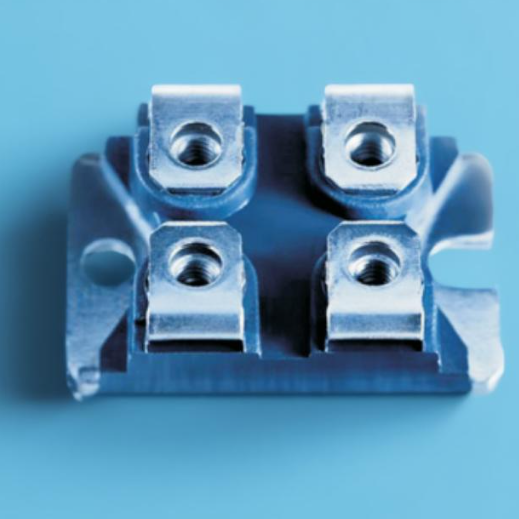 60W 100W precision shunt high - power resistors.
-
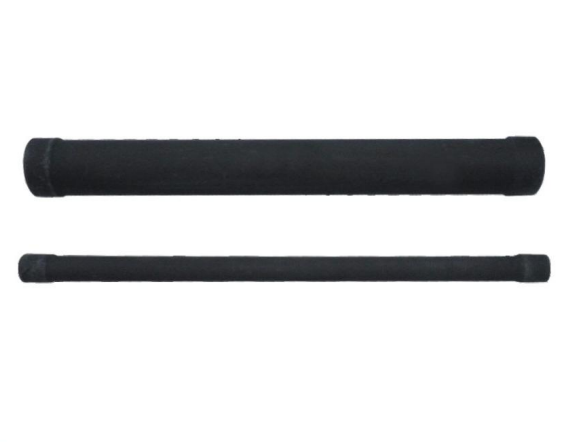 RXGM high power coated wire - wound resistors
-
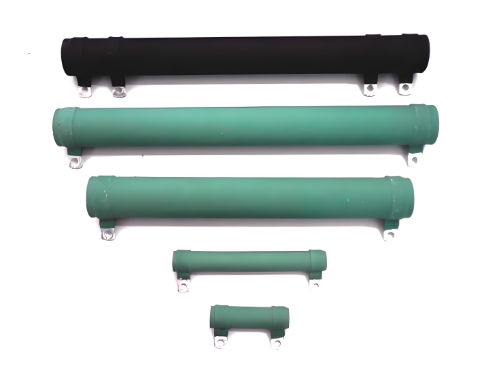 RXGI high power coated wire - wound resistors
-
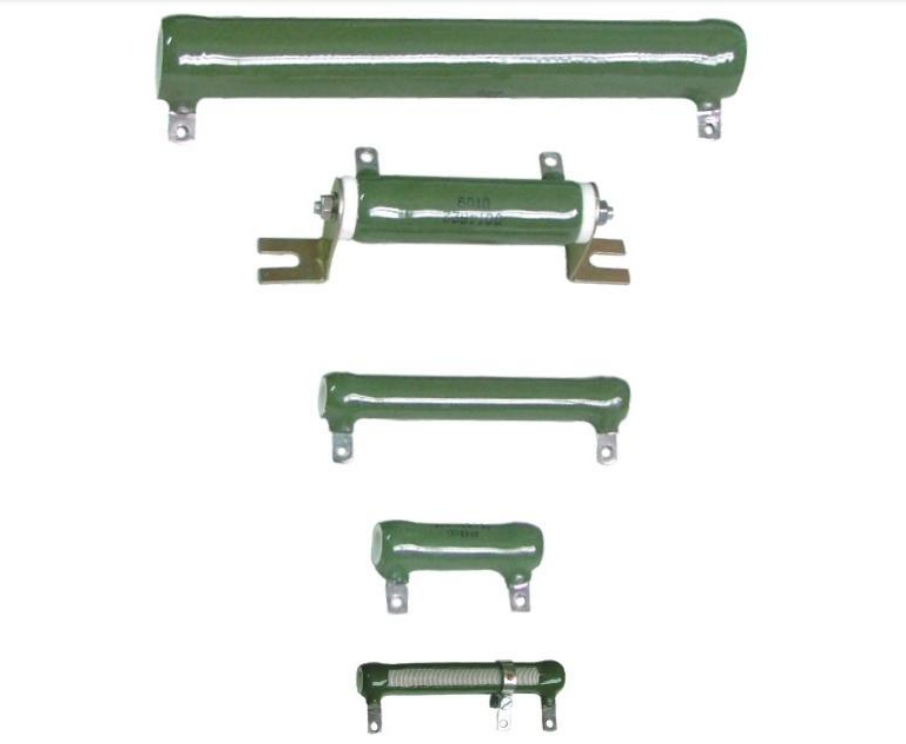 RX20 high power vitreous enameled wire - wound resistors
-
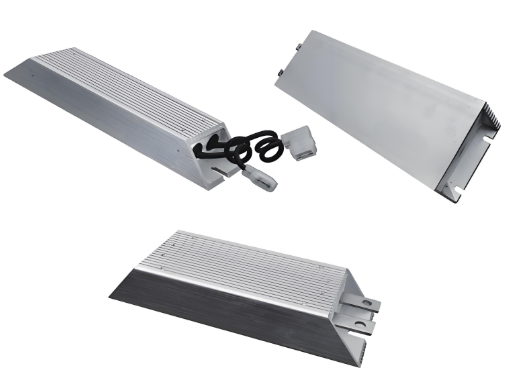 RXLG high power aluminum encased wire - wound resistors
-
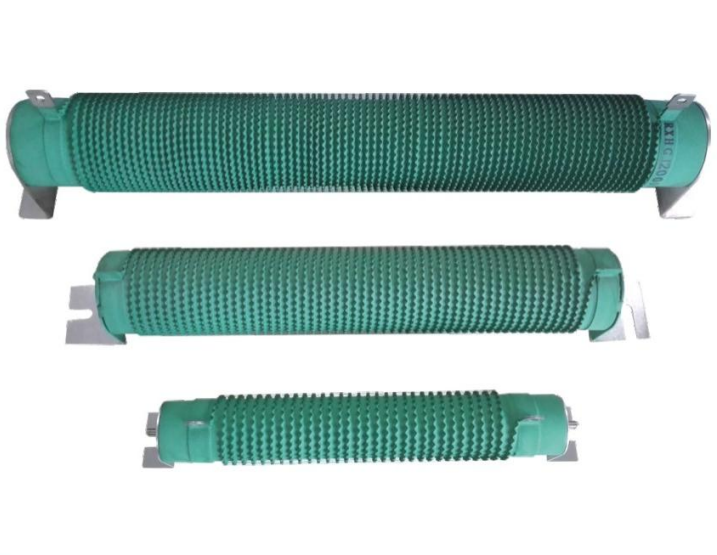 RXHGI high power wane ripple coated wire - wound resistors
-
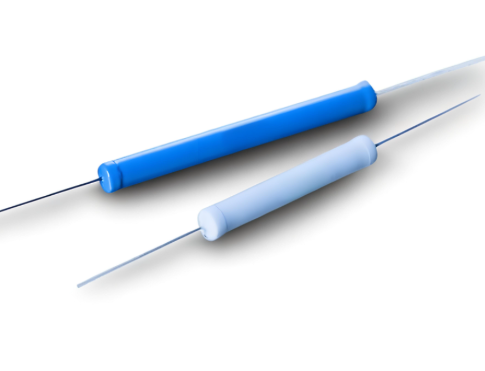 Power and Precision High-Voltage Resistors TC of ±100ppm/°C and wide ohmic range
-
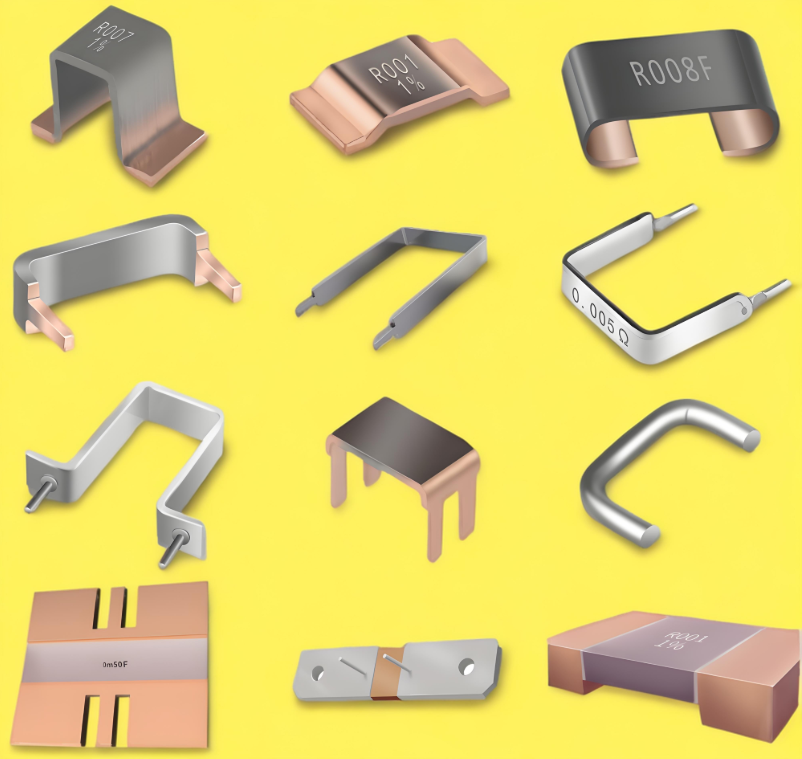 Power Shunts Resistors
-
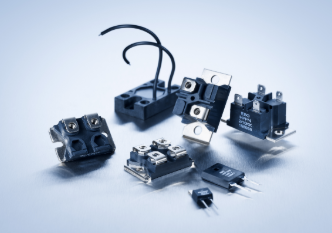 Power Resistors up to 600W
-
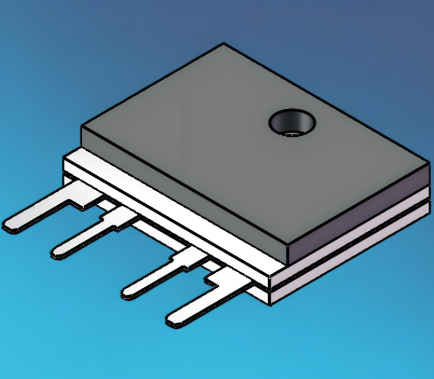 50W precision shunt medium - power resistors.
-
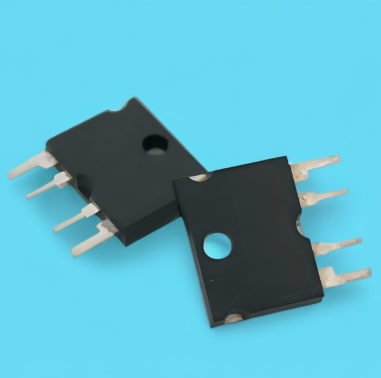 10W precision shunt medium - power resistors.
-
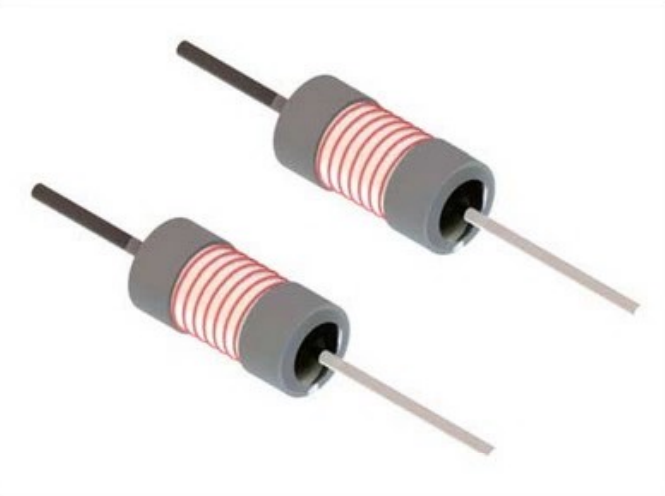 RFX21-T low-power full-short-circuit resistors
-
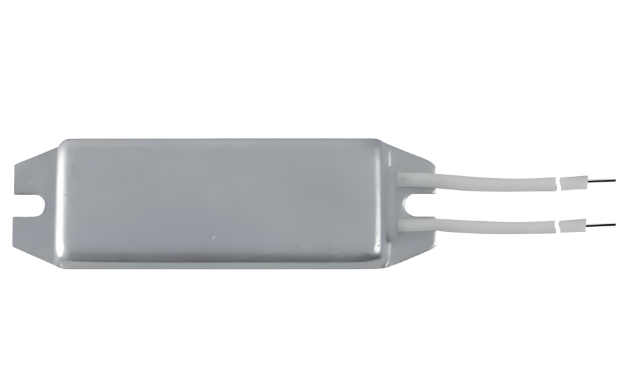 RXL power aluminum encased wire - wound resistors
-
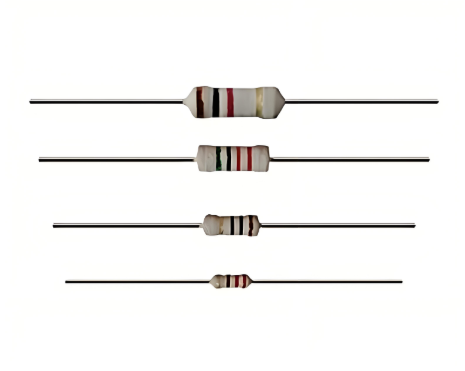 TYRYG1/(TYRJ20) Power Metal Film Resistors


Resistor Supplies - Jepsun Tech Corporation
+86755-29796190 +8615920026751 [email protected]
Huangjiazhongxin building Donghuan Road Longhua District SHENZHEN City, GUANGDONG Prov. CHINA 518000