

High-precision shunt sampling resistor
Functions of Shunts in Circuits
Current Measurement:
Shunts are primarily used to measure current in circuits. By placing a shunt resistor in parallel with the circuit under test, a fraction of the current flows through the shunt, allowing for accurate current measurement.
The voltage drop across the shunt resistor is proportional to the current flowing through it, allowing for precise current measurement using an ohmmeter or a voltage-measuring device.
Circuit Protection:
Shunts can also serve as protective devices in circuits. By diverting excess current, shunts help prevent overload and damage to sensitive components or circuits.
This is particularly important in high-power applications, where overcurrent conditions can lead to catastrophic failures.
Circuit Design and Control:
In some circuits, shunts are used to create parallel paths for current flow, enabling more complex circuit designs and control mechanisms.
By adjusting the resistance of the shunt, engineers can control the distribution of current in a circuit, thereby influencing its overall performance.
Parameters of Shunts
Resistance (R):
The resistance of a shunt is typically very low, allowing for a significant fraction of the current to flow through it without causing a significant voltage drop.
The resistance value is carefully selected to ensure accurate current measurement and minimal impact on the circuit's overall performance.
Power Rating:
The power rating of a shunt indicates the maximum power it can dissipate without overheating or damaging the circuit.
It is crucial to select a shunt with an appropriate power rating to ensure safe and reliable operation in high-power applications.
Accuracy:
The accuracy of a shunt refers to the precision of the current measurement it provides.
High-accuracy shunts are often required in applications where precise current control and measurement are critical, such as in power supply designs, battery management systems, and electronic test equipment.
Temperature Coefficient of Resistance (TCR):
The TCR of a shunt indicates how its resistance changes with temperature.
A low TCR is desirable to ensure stable current measurement over a wide temperature range.
Material:
Shunts are typically made from materials with stable resistance temperature coefficients, such as nickel-copper alloys, manganin, or constantan.
These materials help maintain consistent resistance values across different temperature conditions.
Conclusion
In summary, shunts are essential components in electronic circuits, serving functions such as current measurement, circuit protection, and enabling complex circuit designs. Their parameters, including resistance, power rating, accuracy, TCR, and material, play crucial roles in determining their performance and suitability for specific applications. By carefully selecting shunts with the appropriate parameters, engineers can ensure safe, reliable, and accurate circuit operation.


-
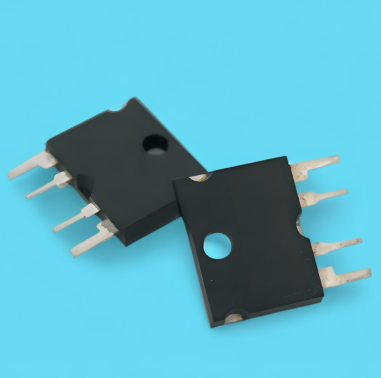 High-precision shunt sampling resistor
-
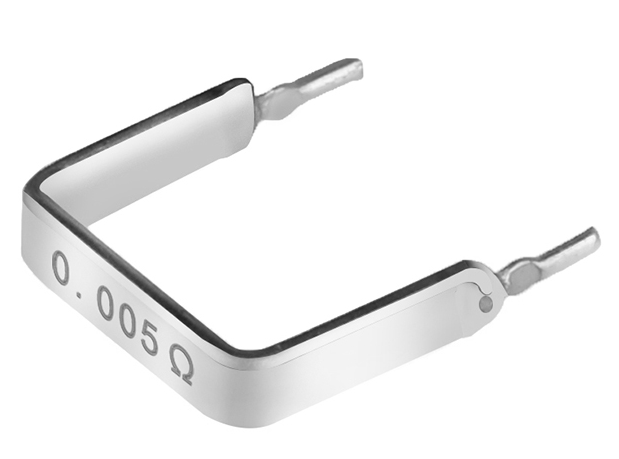 High-precision solder tab sampling resistor
-
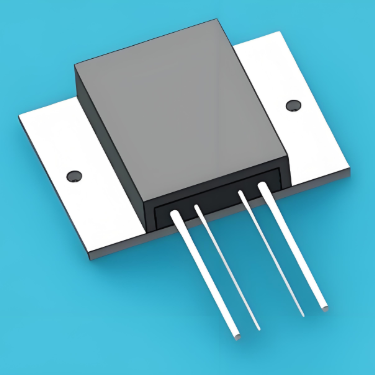 10W 30W high - precision shunt resistor 0.1% ±5ppm/℃
-
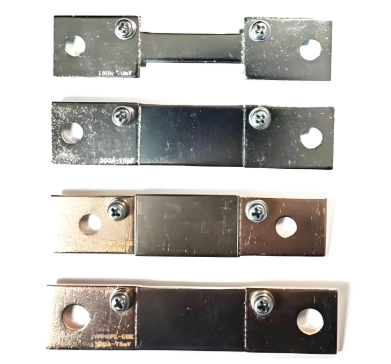 GFL Precision Shunt Resistor
-
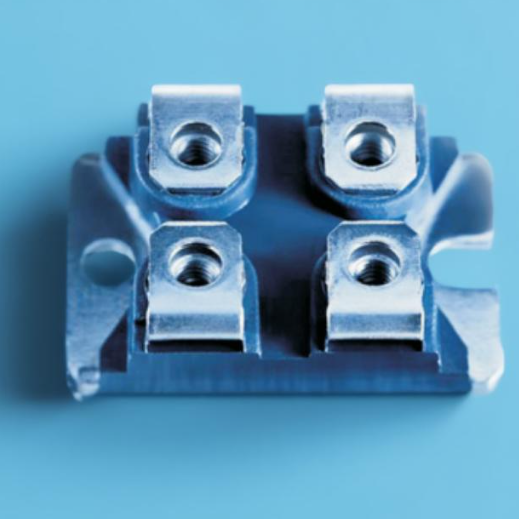 60W 100W precision shunt high - power resistors.
-
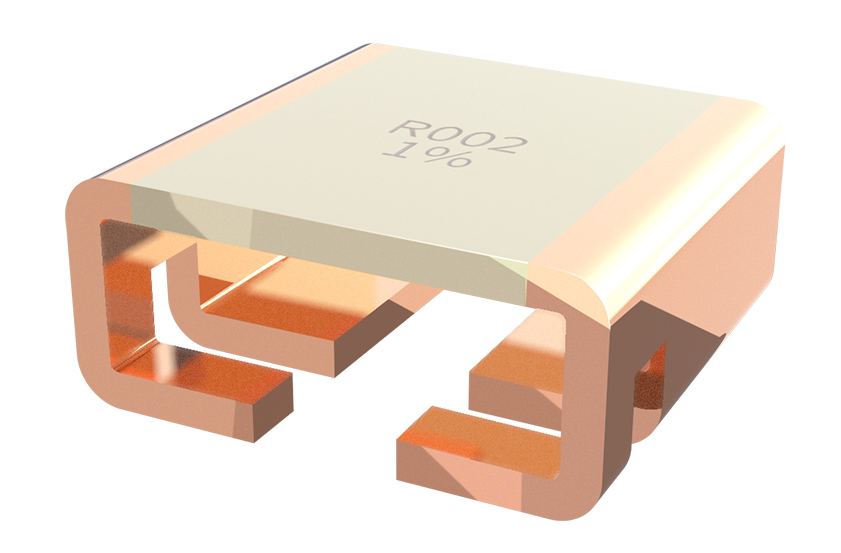 Customizable Automotive-Grade High-Precision Four-Terminal Shunt Resistors (1216)
-
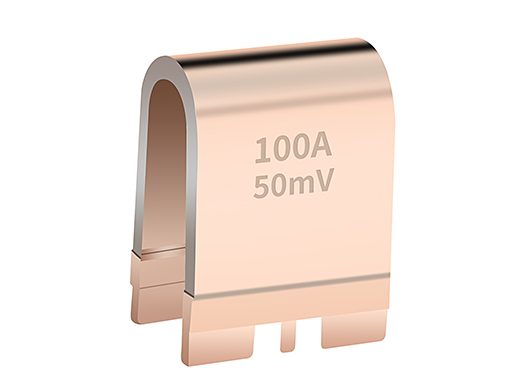 Customizable U-Type High-Power Sampling Shunts
-
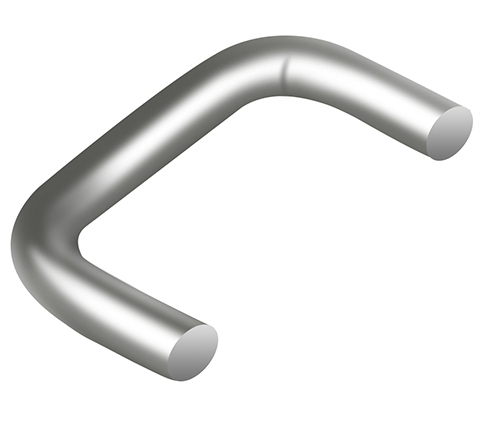 Jumper sampling resistor
-
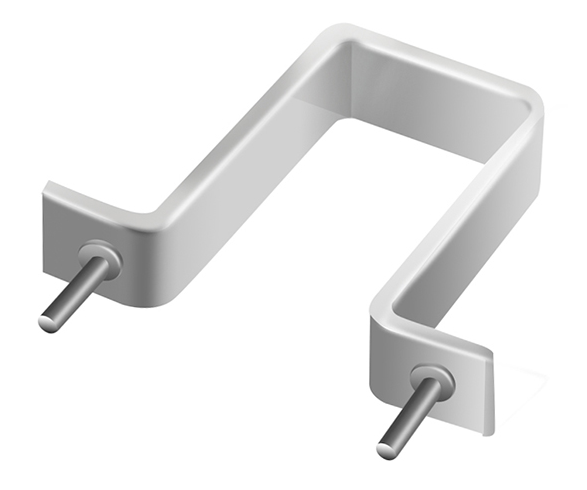 n-type solder tab sampling resistor
-
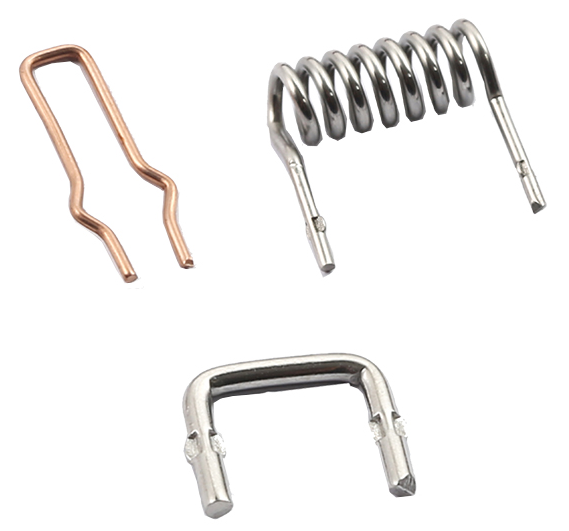 Customizable press-fit terminal sampling resistor
-
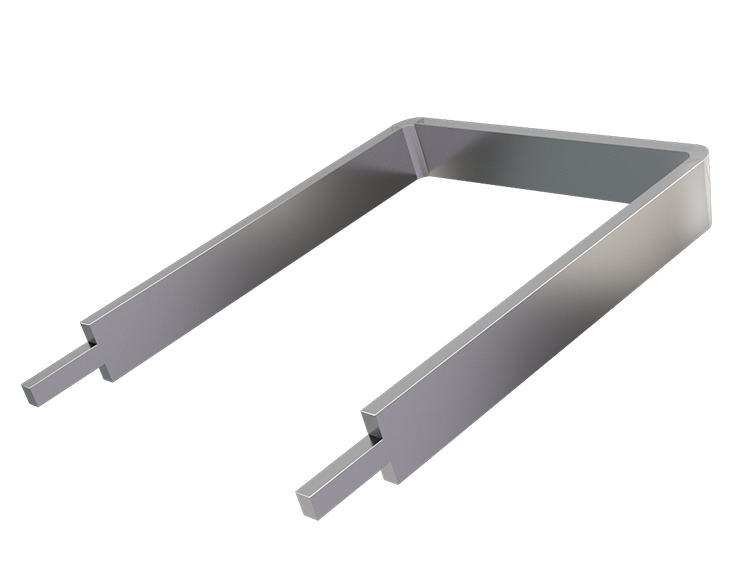 Flat press-fit terminal sampling resistor
-
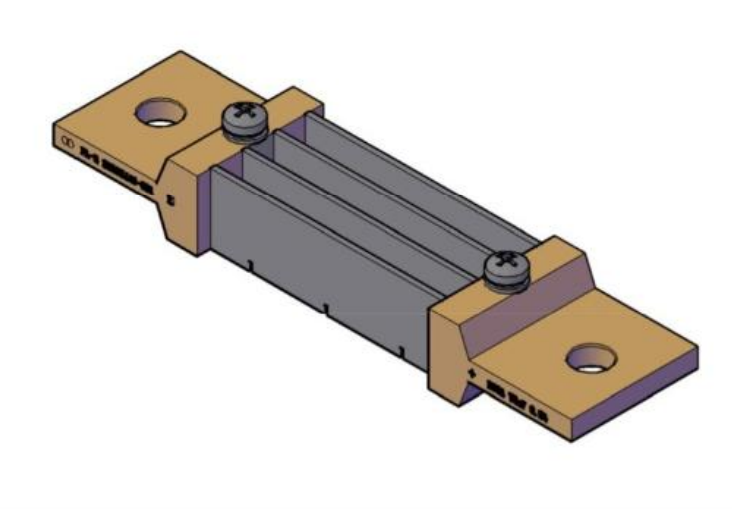 FL-2-K Precision Shunt
-
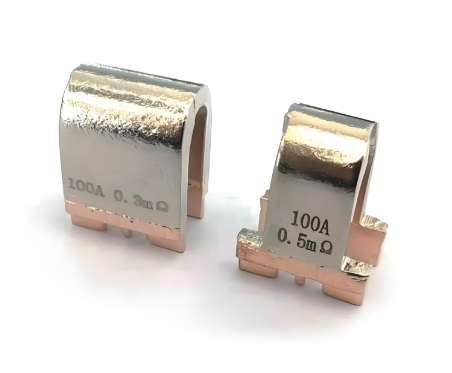 UFL Precision Shunt
-
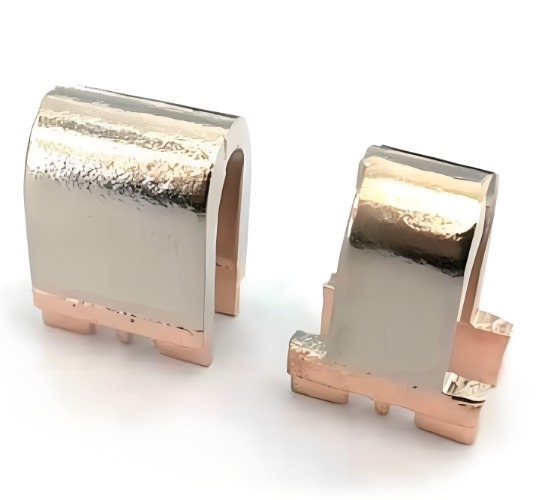 TY Precision Shunt
-
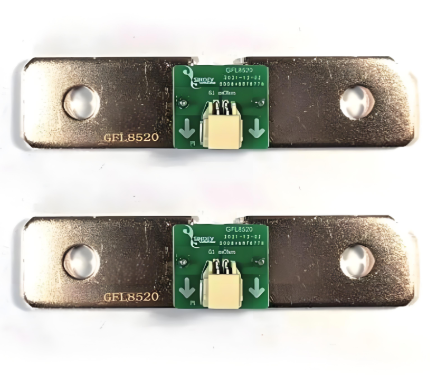 GFLEV8520 Precision Shunt
-
 1W 3W 6W 8W precision shunt resistors.
-
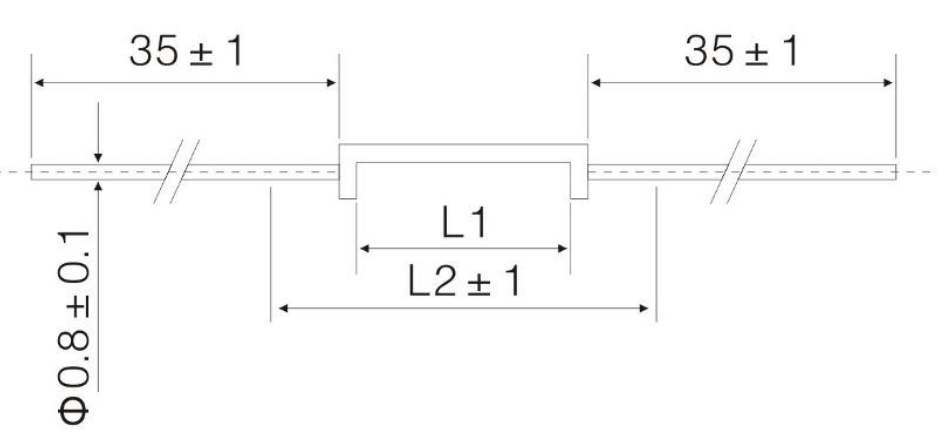 RN1A Precision Shunt
-
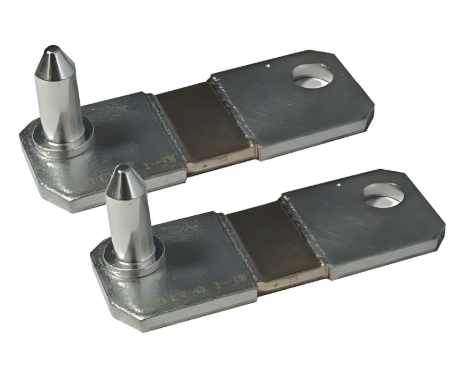 GFLEV Precision Shunt
-
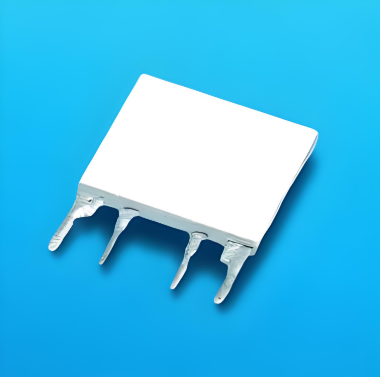 3W - 10W precision shunt resistors.
-
 10W precision shunt medium - power resistors.
-
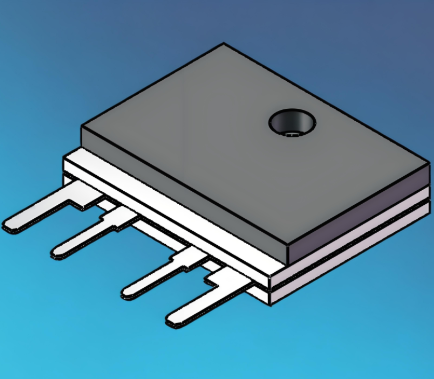 50W precision shunt medium - power resistors.
-
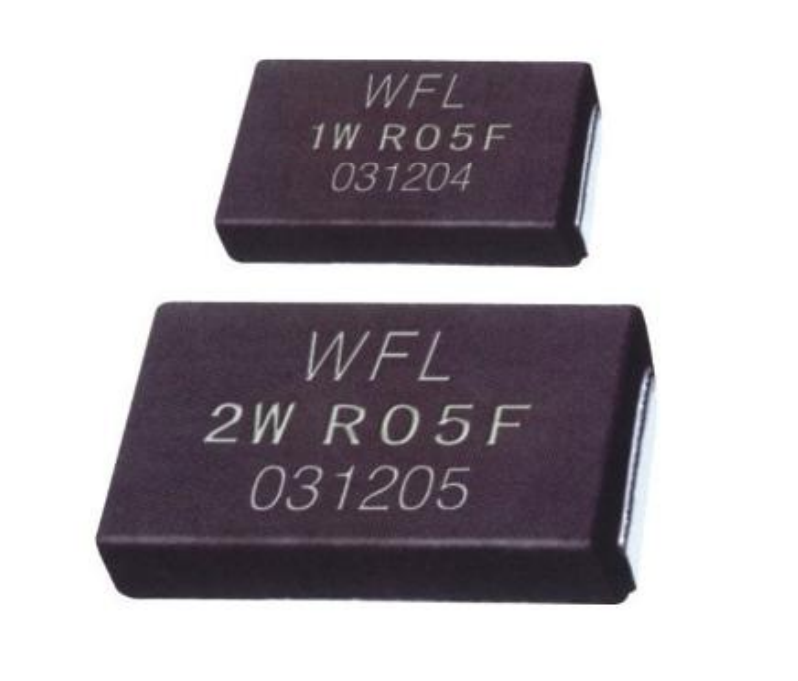 WFL Plastic-Encased Precision Metal Film Strip Chip Shunt
-
 TYRIP (TYRI80) Precision High - Resistance High - Voltage Resistor
-
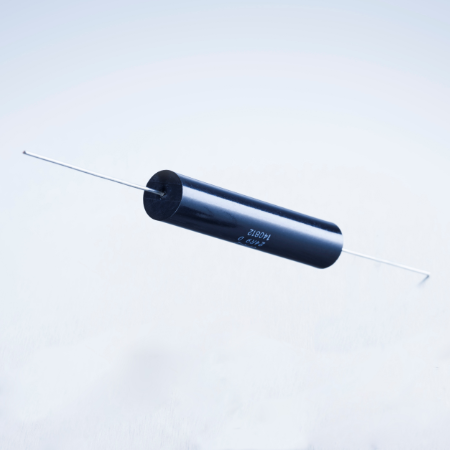 High-precision metal film resistor


Resistor Supplies - Jepsun Tech Corporation
+86755-29796190 +8615920026751 [email protected]
Huangjiazhongxin building Donghuan Road Longhua District SHENZHEN City, GUANGDONG Prov. CHINA 518000